Joule Wang
Lucas Li
Brack Lee
Complete line of fluid end parts /expendables for BOMCO made F series pump, NOV made F series pump and P series pump, GD made PZ series pump, HH made F series pump.
-
Liners: Bi-metal liners, ceramic liners, liner seals / gaskets
-
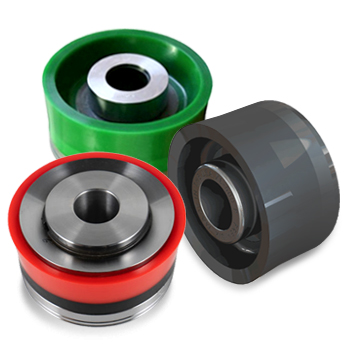
Pistons: Complete piston assemblies, piston hubs, piston rubbers, retaining plates, snap rings.
-
Piston rods : Piston rods, piston rod nuts, rod clamps / couplings.
-
Valves and seats: Suction and discharge valve assemblies, valve bodies, valve inserts, valve seats, valve springs.
-
Valve guides: Upper valve guides, lower valve guides, guide bushings.
-
Fluid end modules: Suction modules, discharge modules, one-piece fluid end modules / blocks.
-
Valve covers: Valve covers, cover plugs, threaded retainers / locks, seals.
-
Cylinder access covers: Cylinder heads, cylinder head plugs, threaded retainers, seals.
-
Liner retention parts: Liner flanges, liner retainers, liner locks / nuts, wear plates.
-
Seals and gaskets.
-
Module seals: liner seals, valve cover seals, cylinder head seals, manifold gaskets, O-rings.
-
Manifolds: Suction manifolds, discharge manifolds, connecting spools, flanges.
-
Fasteners: Module studs and nuts, manifold studs and nuts, cover studs and nuts.
-
Associated fluid end equipment: discharge pulsation dampeners and bladders, suction stabilizers, pressure relief valves, pressure gauges, and liner wash / piston cooling assemblies.
How to prevent common problems in Fluid Ends
In the high-stakes world of drilling, even the smallest failure in a mud pump’s fluid end can cause significant delays, lost time, and increased costs.
The fluid end plays a critical role in transferring hydraulic energy to the drilling fluid, enabling the mud to circulate effectively.
However failures are common due to the intense pressures and harsh conditions involved. Here’s a guide to identifying early warning signs of fluid end wear and taking proactive steps to prevent breakdowns in the field.
Early signs of Fluid End wear
Regular inspections are key to spotting the first signs of fluid end deterioration. One of the most common issues is cracked or worn-out valves and seats, which can lead to reduced efficiency and lower pump pressure. Be alert for pressure fluctuations, unusual vibrations, and increased temperature around the pump—all indicators that parts may be wearing down or misaligned.
Common causes of failure
Several factors contribute to fluid end failures, with improper maintenance and excessive pump pressure topping the list. Excessive pressure causes stress fractures, particularly in valves, plungers, and discharge passages. The quality of drilling fluid also impacts longevity; abrasive particles can erode internal components, making them vulnerable to cracks and premature wear.
Preventative maintenance tips
To avoid unexpected breakdowns, keep pressure within recommended limits to reduce stress on the fluid end components. Using high-quality mud with proper particle sizes minimizes abrasive wear, while consistent lubrication ensures smooth operation. Implementing a regular maintenance schedule to replace worn parts, such as valves and plungers, helps maintain performance and prevents costly failures during critical operations.
The most common problems in a mud pump fluid end are piston/liner wear and valve/seat leakage.
Piston rubber wear or damage
Typical symptoms: Mud leaking behind the piston; reduced output
Main causes: Abrasive solids, insufficient cooling, overheating, unsuitable rubber material.
Liner wear or scoring
Typical symptoms: Frequent piston failures; leakage; reduced efficiency
Main causes: High sand content, poor cooling, misalignment, continued operation with a damaged piston.
Valve insert and seat wear
Typical symptoms: Pressure fluctuation, reduced flow, valve knocking.
Main causes: Abrasive mud, debris trapped between sealing faces, damaged inserts.
Valve guide or spring damage
Typical symptoms: Irregular valve movement, knocking, poor sealing.
Main causes: Guide wear, fatigue, misalignment.
Liner packing or cover seal leakage
Typical symptoms: External leakage around the liner, valve cover, or cylinder head.
Main causes: Damaged seals, dirty sealing surfaces, incorrect installation.
Valve-seat pocket washout
Typical symptoms: Persistent leakage despite replacing the valve and seat
Main causes: Leakage around an improperly seated valve seat erodes the fluid-end module.
Fluid-end module cracking
Typical symptoms: External leakage or recurring pressure loss.
Main causes: Pressure-cycle fatigue, corrosion, stress concentration.
Another frequent operating problem is poor suction or cavitation. Restricted suction, air entry, or inadequate charge pressure can cause knocking, vibration, unstable discharge pressure, and accelerated component damage. Replacing fluid-end parts alone will not resolve the underlying suction problem.